Living with a stoma involves more than changing an appliance. It requires consistent, gentle skin care. The United Ostomy Associations of America estimates that 725,000 to 1 million Americans live with an ostomy. The estimate varies, but the daily need remains clear.
This guide explains How to properly clean a stoma site while protecting fragile peristomal skin. The Wound, Ostomy and Continence Nurses Society identifies leakage, moisture, and irritant dermatitis as common peristomal concerns. A small leak can spread beneath the wafer, where redness may develop before discomfort appears. Look closely. Healthy skin usually resembles the surrounding abdomen, while persistent redness, weeping, bleeding, swelling, or unusual pain deserves professional review.
Use warm water, a soft cloth or gauze, and a clean towel. Avoid scrubbing. Avoid products that leave oily residue unless your stoma nurse recommends them. Pat the area dry, especially in skin folds. The stoma itself may bleed slightly during cleaning because its tissue is delicate, but ongoing bleeding is not something to dismiss. Your surgeon, ostomy nurse, or medical team should guide product selection and appliance changes, particularly after surgery.
No routine is flawless. Hands may be rushed, skin may be missed, and instructions can conflict. That is why observing the skin at every change matters. Record recurring leakage, burning, or appliance lifting. Bring photographs only when your healthcare provider advises secure sharing. Clean technique supports comfort, yet professional assessment remains essential when healing appears slow or uncertain.
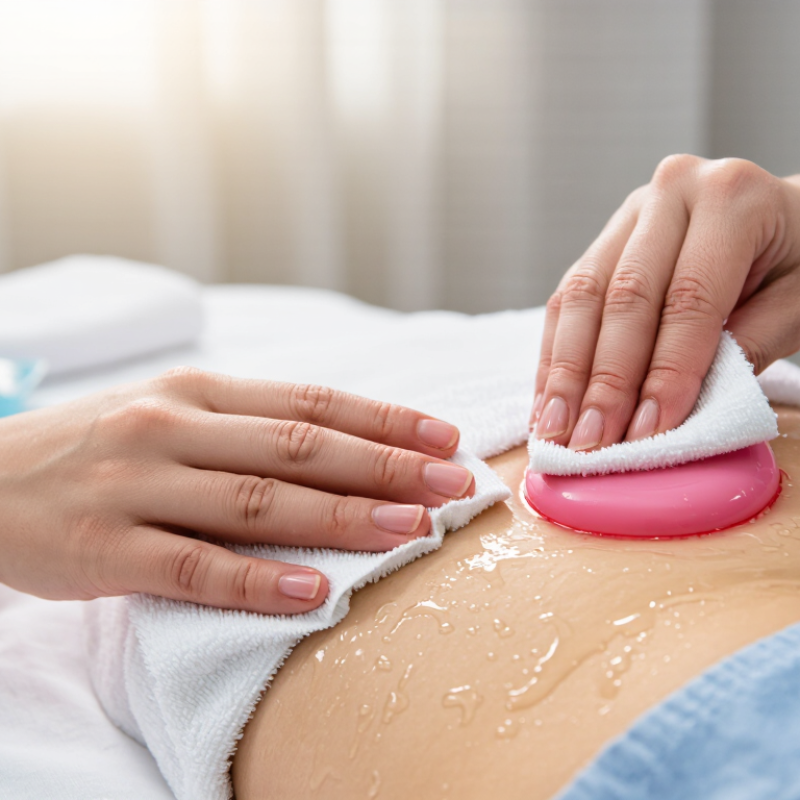
A stoma is a surgically created opening on the abdomen. It allows urine or stool to leave the body through a stoma. The stoma itself is usually moist and pink or red, much like the inside of the mouth. The surrounding skin should remain clean, dry, and free from soreness. Proper cleaning protects this skin from irritation caused by moisture, digestive enzymes, or leakage.
During a pouch change, gently remove the old appliance. Use warm water and a soft, clean cloth to wipe around the stoma. Avoid scrubbing, alcohol, perfume, and harsh soaps. Pat the area dry instead of rubbing it. Check for redness, swelling, bleeding, broken skin, or unusual discharge. A small spot of blood may occur during gentle cleaning, but persistent bleeding needs medical advice.
Good cleaning is not about making the area perfectly sterile. It is about preventing damage and noticing changes early. A rushed change can leave moisture under the skin barrier. That small mistake may become painful later. I have found that people often focus on the stoma and forget the surrounding skin. The skin deserves equal attention. If leakage continues, the stoma changes color, or pain and odor develop, contact a stoma care nurse or healthcare professional promptly. Their guidance may be needed because each stoma and skin type can behave differently.
How to Properly Clean a Stoma Site?
Safe stoma care begins with prepared supplies, not rushed movements. Wash your hands thoroughly, then place everything within reach. You may need clean water, mild fragrance-free soap, soft gauze, a clean towel, disposable gloves, and a waste bag. Keep a stoma measuring guide nearby if the opening size needs checking. A mirror can help you see the skin beneath the appliance.
Use lukewarm water and gentle gauze to remove residue around the stoma. Do not scrub. Avoid alcohol, hydrogen peroxide, and scented products, because they may irritate healing skin. Pat the area dry instead of rubbing it. Moisture left behind can weaken the skin barrier and affect adhesion. I would not assume that “clean” means squeaky or completely dry; comfort and healthy skin matter more.
Examine the stoma and surrounding skin in good light. The stoma is commonly moist and pink to red, while the nearby skin should remain similar to its usual condition. Supplies should be clean, unopened when appropriate, and within their expiry dates. Replace anything that touched the floor or became wet. Small details matter. If you notice spreading redness, unusual swelling, bleeding that continues, pus, worsening pain, fever, or a sudden change in output, contact a stoma nurse or healthcare professional promptly. If the routine feels awkward, ask for a demonstration and review your technique rather than quietly repeating a mistake.
Prepare the following supplies before removing the old appliance. Quantities are a practical per-change checklist and may vary according to individual care plans.
Gentle care reminder: Clean the skin around the stoma with lukewarm water and a soft, lint-free cloth or gauze. Pat the area dry rather than rubbing it, and use only products recommended by a healthcare professional.
Clean hands make the process safer. Wash your hands with soap and water before touching the stoma or surrounding skin. Gently remove the used pouch according to your care plan. If adhesive feels tight, take your time. Pulling quickly can damage delicate skin.
Use lukewarm water and a soft, clean cloth or gauze. Wipe from the stoma outward, using gentle strokes. Remove any mucus, stool, or adhesive residue without scrubbing. Clean the skin folds carefully. Avoid alcohol, hydrogen peroxide, scented soap, and oily products unless a stoma nurse recommends them. These products may cause dryness or prevent the next pouch from sticking.
Pat the area completely dry. Do not rub. Look for redness, swelling, bleeding, broken skin, unusual odor, or a change in the stoma’s color. Mild redness after appliance removal may happen, but worsening irritation needs professional advice. A small mirror can help you inspect areas that are difficult to see. Measure the stoma when instructed, because its size can change during healing. Apply the replacement system only to clean, dry skin.
It is easy to rush this routine. That can lead to leaks. If the skin remains sore, weeping, or painful, contact your stoma nurse or healthcare professional promptly. Sudden bleeding, severe abdominal pain, vomiting, or a dark stoma requires urgent medical attention.
After washing your hands, gently clean the stoma and surrounding skin with warm water. Use a soft, clean cloth and avoid rubbing. Pat the area dry with fresh gauze or a lint-free towel. Moisture can weaken the skin barrier and affect the seal of an appliance.
Inspect the stoma in good light. A healthy stoma is usually moist and pink to red. Check for bleeding that does not stop, unusual swelling, purple or black color, open skin, or worsening pain. Look closely at the surrounding skin for redness, blisters, soreness, or leakage marks. A common mistake is applying a new appliance before the skin is completely dry. That small delay can prevent larger problems.
Tips: Let the skin air-dry briefly when possible. Do not use scented soap, alcohol, oils, or powders unless a stoma nurse recommends them. Keep the opening correctly sized, without pressing tightly against the stoma. Change wet or leaking supplies promptly. If irritation continues, take a clear photo for your healthcare professional, if appropriate, and record when it began. Seek medical advice for persistent bleeding, fever, severe pain, unusual color changes, or sudden loss of output. Even careful care may not solve every skin problem.
| Care Stage | Recommended Action | How to Do It Safely | Typical Findings | Warning Signs |
|---|---|---|---|---|
| Prepare | Gather clean water, soft gauze or a clean cloth, a towel, and replacement supplies. | Wash your hands before and after stoma care. Prepare all supplies before removing the appliance. | The work area is clean, dry, and well lit. | Do not begin if you cannot clearly see the skin or do not have replacement supplies available. |
| Remove the Used Appliance | Gently remove the pouching system according to your care plan. | Support the surrounding skin with one hand and slowly peel the adhesive away. Avoid pulling the skin. | The appliance comes away without significant pain or skin stripping. | Persistent bleeding, severe pain, or skin tearing should be reported to a healthcare professional. |
| Clean the Stoma | Clean the stoma and nearby skin gently. | Use warm water and a soft cloth or gauze. Wipe away output without scrubbing. Mild, residue-free cleansing is generally sufficient unless your clinician advises otherwise. | The stoma may appear moist and red or pink. A small amount of spotting can occur because stoma tissue is delicate. | A stoma that becomes dark, pale, bluish, very dry, or persistently bleeds needs prompt medical advice. |
| Clean the Surrounding Skin | Remove any output or adhesive residue from the peristomal skin. | Use gentle strokes and avoid alcohol, oils, lotions, or fragranced products unless specifically recommended by your stoma-care specialist. | Healthy surrounding skin is intact, comfortable, and similar in color to nearby skin. | Increasing redness, rash, open areas, blisters, swelling, warmth, pus, or worsening tenderness may indicate irritation or infection. |
| Dry the Area | Dry the stoma and surrounding skin completely before applying a new barrier. | Pat gently with a clean, soft towel or gauze. Allow the area to air-dry briefly if practical. Do not rub. | The skin feels dry, with no visible moisture or residue. | Moisture left under the barrier can reduce adhesion and contribute to skin breakdown. |
| Inspect and Measure | Check the stoma, skin, and fit of the opening in the skin barrier. | Look for changes in color, size, shape, swelling, retraction, bleeding, or leakage. Use the measuring guide provided by your care team when needed, especially during healing. | The stoma is moist and pink to red, and the barrier opening fits closely without pressing on the stoma. | A sudden change in appearance, new retraction or protrusion, repeated leakage, or an opening that is too tight requires professional guidance. |
| Protect the Skin | Apply the skin barrier or protective product prescribed or recommended for you. | Use a thin, even layer on clean, dry skin and allow liquid products to dry as directed. Avoid placing powder or cream directly on the stoma unless instructed. | The barrier adheres smoothly without wrinkles, gaps, or exposed irritated skin. | Burning, itching, worsening rash, or repeated adhesive failure should be discussed with a stoma-care nurse. |
| Apply the New Appliance | Center the opening over the stoma and secure the appliance. | Press the barrier gently against the skin for the time recommended by your care team. Check that the pouch is secure and the outlet is closed. | The appliance lies flat, feels comfortable, and has no visible leakage. | Leakage, pain, pressure on the stoma, or a rapidly loosening appliance should be addressed promptly. |
| Monitor Between Changes | Check for leakage, discomfort, skin changes, and changes in output. | Follow the changing schedule provided by your healthcare team. Change the appliance sooner if it leaks or causes skin irritation. | Output varies according to the type and location of the stoma, diet, hydration, and medical condition. | Seek medical advice for persistent vomiting, severe abdominal pain, marked reduction or absence of output, heavy bleeding, fever, or signs of dehydration. |
Important: Follow the individualized instructions provided by your surgeon or stoma-care nurse. Contact a healthcare professional if you are concerned about the stoma’s color, output, skin condition, pain, or appliance fit.
A healthy stoma usually looks moist, pink, or red, much like the inside of your mouth. The surrounding skin should remain intact and reasonably comfortable. Clean the area gently with warm water and a soft cloth. Pat it dry instead of rubbing. Avoid alcohol, hydrogen peroxide, and scented products unless a clinician specifically recommends them. These products may damage delicate skin.
Watch for redness that spreads beyond the stoma, increasing warmth, swelling, tenderness, or broken skin. Persistent itching can also signal irritation, especially when leakage repeatedly touches the skin. Pus, cloudy drainage, a strong new odor, or bleeding that does not stop needs medical advice. A small spot of blood may appear after gentle cleaning, but frequent or heavy bleeding should not be ignored.
Contact a stoma nurse, surgeon, or doctor promptly if these changes develop. Seek urgent care for fever, chills, severe pain, a dark or gray stoma, repeated vomiting, or no output with abdominal swelling. These symptoms may indicate infection, poor blood flow, or blockage. A common mistake is waiting because the skin problem seems minor. Even careful cleaning can be imperfect. Keep notes about changes, leakage, temperature, and output, and share them with your healthcare professional.
A stoma is a surgically created opening on the abdomen. It usually looks moist and pink or red, like the inside of your mouth. The surrounding skin should stay clean, dry, and comfortable.
Use lukewarm water, a soft clean cloth or gauze, and clean hands. A small mirror can help you inspect hidden skin folds. Keep everything nearby before removing the pouch.
Remove it gently according to your care plan. Take your time if the adhesive feels tight. Pulling quickly can tear delicate skin. Slow is safer.
Wipe from the stoma outward with gentle strokes. Remove mucus, stool, and adhesive residue without scrubbing. Clean the skin folds carefully. Pat the area completely dry.
Avoid alcohol, hydrogen peroxide, scented soap, perfume, harsh cleansers, and oily products. They may dry the skin or prevent the replacement system from sticking. Use other products only if a clinician recommends them.
A tiny spot of blood may appear after gentle cleaning. Persistent, frequent, or heavy bleeding needs medical advice. Do not ignore bleeding that continues.
Watch for spreading redness, warmth, swelling, tenderness, itching, or broken skin. Pus, cloudy drainage, or a strong new odor also requires prompt medical advice. Leakage can quietly damage skin.
Seek urgent care for fever, chills, severe abdominal pain, repeated vomiting, or no output with abdominal swelling. A dark or gray stoma may signal poor blood flow. Act quickly.
Apply the replacement system only to clean, completely dry skin. Measure the stoma when instructed, especially during healing. Moisture left underneath can cause later soreness. Rushing is an easy mistake.
How to properly clean a stoma site begins with understanding that the stoma is delicate tissue connecting the digestive or urinary system to the outside of the body. Gather clean water, mild unscented soap if recommended, soft gauze or cloths, a clean towel, and any prescribed skin protection products. Always wash your hands before and after care, and prepare a clean workspace.
Gently remove the pouching system as instructed, then clean the skin around the stoma with warm water and a soft cloth, avoiding harsh rubbing, alcohol, oils, or fragranced products. Pat the area completely dry, inspect the stoma and surrounding skin, and apply approved protection only when needed. The stoma should generally appear moist and pink to red, while the surrounding skin should remain intact. Contact a healthcare professional if you notice spreading redness, increasing pain, swelling, unusual bleeding, pus, foul odor, persistent leakage, fever, or a change in the stoma’s color or output.

ProMix Medical